


-

Add: HeBei ShengShi HongBang Cellulose Technology CO.,LTD.
-

Email
13180486930@163.com -

CONTACT US
+86 13180486930
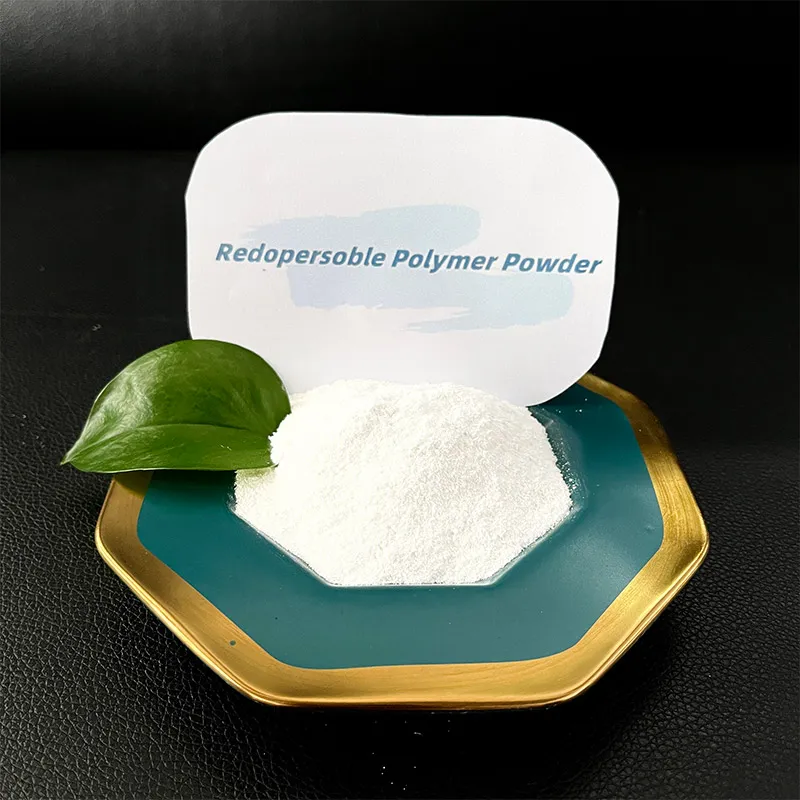
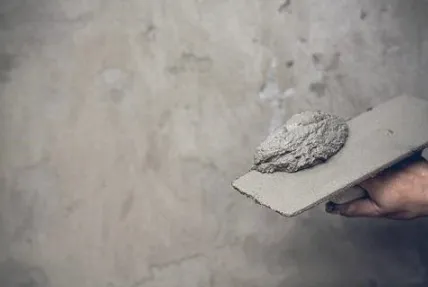


Understanding HPMC Adhesive for Tiles An In-Depth Overview Tile installation is a critical aspect of construction and renovation projects, requiring careful attention to materials and techniques to ensure durability and aesthetic appeal. Among the various adhesives available in the market, Hydroxypropyl Methylcellulose (HPMC) stands out as a popular choice, particularly for its versatility and effectiveness in tile applications. This article explores the properties, advantages, and applications of HPMC adhesives for tiles. What is HPMC? Hydroxypropyl Methylcellulose is a water-soluble polymer derived from natural cellulose. It is widely used in various industries, including construction, pharmaceuticals, food, and cosmetics. In the context of tile installation, HPMC serves as a key component in adhesive formulations, enhancing their performance and usability. Properties of HPMC Adhesives HPMC adhesives are characterized by several essential properties that make them ideal for tile installation 1. Water Retention HPMC has excellent water-retention capabilities, allowing the adhesive to remain workable for an extended period. This feature is crucial during tile applications, where the mortar must remain moist to facilitate proper bonding with the substrate. 2. Improved Workability HPMC adhesives provide a smoother paste consistency, which enhances the workability of the adhesive. This allows for easier spreading, leveling, and adjustment of tiles during installation. 3. Thixotropic Properties HPMC demonstrates thixotropic behavior, meaning it can change its viscosity under stress. This property prevents the adhesive from slumping, ensuring that tiles remain in place once installed. 4. Enhanced Bond Strength HPMC adhesives promote strong adhesion between tiles and various substrates, including concrete, cement, and gypsum. This strength is crucial for the longevity and durability of tiled surfaces. 5. Resistance to Water and Chemicals HPMC adhesives exhibit good resistance to water and various chemicals, making them suitable for wet areas such as bathrooms and kitchens. Advantages of HPMC Adhesives for Tiles The use of HPMC in tile adhesives offers numerous benefits adhesivo para baldosas hpmc - Versatility HPMC adhesives can be used with a variety of tile materials, including ceramic, porcelain, glass, and natural stone. This versatility makes them suitable for a wide range of applications, from residential to commercial projects. - Environmentally Friendly Being derived from natural cellulose, HPMC is considered environmentally friendly. Its water-soluble nature means that it can be cleaned up easily with water, reducing the need for harsh chemicals during application. - Cost-Effective HPMC-based adhesives are often competitively priced, providing an economical solution for tile installation without sacrificing quality or performance. - Ease of Use The user-friendly nature of HPMC adhesives makes them accessible to both professionals and DIY enthusiasts. The combination of easy mixing, application, and cleanup simplifies the installation process. Applications of HPMC Adhesives HPMC adhesives are utilized in various tile installation scenarios, including - Residential Flooring From kitchen backsplashes to bathroom floors, HPMC adhesives provide the necessary bond strength and flexibility required in domestic environments. - Commercial Spaces In retail stores, hotels, and offices, the durability and water resistance of HPMC adhesives ensure that tiled surfaces can withstand heavy foot traffic. - Wet Areas Given their resistance to water, HPMC adhesives are ideal for applications in swimming pools, showers, and other wet environments. - Outdoor Installations HPMC adhesives are suitable for exterior tile applications, provided they are paired with appropriate reinforcement and protection measures to guard against weather elements. Conclusion HPMC adhesives for tiles represent a significant advancement in construction technology. Their unique properties, including excellent water retention, enhanced bonding strength, and versatility, make them a preferred choice among contractors and DIY enthusiasts alike. Whether you're renovating a home or constructing a commercial space, HPMC adhesives ensure that your tile installations are not only aesthetically pleasing but also durable and long-lasting. With continued innovation in adhesive formulations, HPMC is set to play an integral role in the future of tile installation.
- 40000tons

Production
- 20+years

Experience
- 5000+㎡

Acreage

-

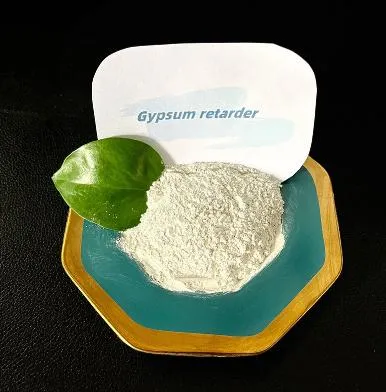
Retarders in gypsum are pivotal components that serve to adjust the setting time of gypsum-based products, providing ample workability and enhanced performance in various applications. Predominantly used in the construction industry, these retarders are instrumental in offering precise control over the hydration process of gypsum, thereby optimizing both the usability and the efficacy of the final product. One of the quintessential experiences when working with gypsum is managing its setting time. This is where retarders become invaluable . Without them, gypsum plaster would set too quickly, which can be problematic during applications requiring a more extended manipulation period. My first-hand experience in utilizing gypsum retarders has shown remarkable improvements in application efficiency, particularly in large-scale projects where precision is paramount. By incorporating retarders, the workability window is expanded, allowing for meticulous application without the stress of accelerated setting. In terms of expertise, understanding the chemical interaction between gypsum and retarders is critical. Retarders function by interfering with the crystallization process of calcium sulfate dihydrate, slowing down the conversion from hemihydrate to dihydrate. This expertise emerges as a critical factor in customizing gypsum products for specific needs. For instance, in decorative plasterwork, a more prolonged setting time is desirable to allow artisans enough time to create intricate designs. Consequently, selecting an appropriate retarder enhances the artisanal quality and reduces waste produced by premature setting. As an authoritative voice in the industry, my journalistic interactions with leading manufacturers and researchers underscore the importance of selecting high-quality retarders. These interviews have revealed that the most effective retarders are those derived from natural sources, such as citric acid or tartaric acid. These compounds not only effectively prolong the setting time but are also environmentally benign, promoting sustainable building practices. Furthermore, research publications consistently support the use of these natural retarders over synthetic alternatives, highlighting their superior performance and lower environmental impact. retarder in gypsum Trustworthiness in product description cannot be overstated, especially for those making decisions in procurement and application. Reliable gypsum retarders are backed by rigorous testing and certifications ensuring their effectiveness and safety. A key trust factor emerges from using products compliant with international standards, such as ISO regulations, which certify the performance consistency and quality assurance of the retarders. Trust is further reinforced by comprehensive usage guidelines provided by manufacturers, outlining the proportion of retarder to be used based on the gypsum's characteristics and environmental conditions, guaranteeing optimal results. A practical product application scenario involves using gypsum-based joint compounds in drywall installation. In my extensive use cases, incorporating retarders has proven to make a significant difference. The retarder ensures that the joint compound remains workable, allowing for a seamless application across extensive surfaces without the concern of irregular curing or cracking. This not only results in a professionally finished surface but also maintains structural integrity and aesthetic appeal over time. Moreover, as emerging technologies continue to integrate with construction methodologies, smart retarders are being developed to adapt to various environmental conditions. These advanced retarders adjust their performance based on temperature and humidity, providing a more predictable setting time regardless of external factors. This technological innovation propels gypsum products into a new era of reliability and functionality. In conclusion, retarders in gypsum products serve as indispensable tools in the modern construction landscape. Their ability to control setting times not only enhances application efficiency but also elevates the quality of the final product. With vast applications ranging from general construction to high-end decorative finishes, leveraging the experience, expertise, authority, and trustworthiness of properly selected retarders can lead to groundbreaking results and sustainable practices. As we embrace advancements within the industry, these additives will undoubtedly continue to play a critical role in shaping the future of construction materials, ensuring both performance excellence and environmental responsibility.
-
Sự phát triển của ngành công nghiệp hóa chất đã chứng kiến sự nổi bật của một số hợp chất, trong đó HPMC E5LV (Hydroxypropyl Methylcellulose) là một trong những nguyên liệu quan trọng, được sử dụng rộng rãi trong nhiều lĩnh vực khác nhau. Với mục tiêu nâng cao hiệu quả của các sản phẩm, HPMC E5LV không chỉ là chất tạo gel hay chất gia cố mà còn thể hiện sự đa dạng trong ứng dụng và hiệu suất. Một trong những lợi ích nổi bật của HPMC E5LV đến từ khả năng tạo độ nhớt và ổn định cấu trúc trong sản phẩm. Được sử dụng chủ yếu trong ngành dược phẩm và thực phẩm, HPMC E5LV giúp cải thiện độ bền, độ hòa tan và khả năng kiểm soát dược phẩm trong ruột. Khả năng này làm nổi bật tính Expertise của HPMC E5LV, cung cấp sự tin cậy cần thiết cho các công thức viên nén, viên nang và các dạng bào chế khác. Trong ngành xây dựng, HPMC E5LV đóng vai trò như một chất gia cường cho vữa xây dựng. Nó cải thiện tính giữ nước và độ bám dính, là yếu tố quan trọng giúp các bề mặt tường, các công trình xây dựng tụ độ bền cao hơn theo thời gian. Những đặc điểm này không chỉ nâng cao chất lượng của các sản phẩm xây dựng mà còn trở thành tiêu chuẩn cho sự sáng tạo và cải tiến không ngừng. Ngoài ra, HPMC E5LV còn đặc biệt quan trọng trong ngành mỹ phẩm và chăm sóc cá nhân. Sản phẩm này giúp điều chỉnh độ nhớt và làm chất tạo màng trong các sản phẩm chăm sóc da, chẳng hạn như kem dưỡng da, gel tắm và các sản phẩm trang điểm. Sự linh hoạt và an toàn của HPMC E5LV mang lại trải nghiệm vượt trội và cảm giác dễ chịu cho người dùng cuối. Hpmc E5LV Tính chuyên nghiệp và độ uy tín của HPMC E5LV còn được chứng minh thông qua các thử nghiệm và kiểm tra nghiêm ngặt trước khi được lưu hành trên thị trường. Sản phẩm này tuân theo các tiêu chuẩn quốc tế về an toàn và chất lượng, đảm bảo rằng mọi ứng dụng đều đạt hiệu suất tối ưu trong điều kiện khác nhau. Điều này không chỉ nâng cao lòng tin mà còn củng cố sự tín nhiệm của các nhà sản xuất và người tiêu dùng đối với HPMC E5LV. Khi xét đến yếu tố Experience (Kinh nghiệm sử dụng), nhiều nhà sản xuất đã ghi nhận những cải tiến rõ rệt trong sản phẩm khi áp dụng HPMC E5LV. Sự cải thiện này không chỉ thể hiện qua các thông số kỹ thuật mà còn qua sự hài lòng của khách hàng cuối cùng. Việc ứng dụng đúng cách HPMC E5LV giúp sản phẩm đạt chất lượng vượt trội mà không làm tăng chi phí sản xuất quá nhiều. Về môi trường, HPMC E5LV được đánh giá là thân thiện và an toàn . Nó không chỉ phân hủy sinh học mà còn không gây hại cho môi trường khi bị thải loại. Điều này tác động tích cực đến nhận thức và trách nhiệm xã hội của người tiêu dùng hiện đại, góp phần tạo nên một dòng sản phẩm không chỉ hiệu quả mà còn bền vững. Với tất cả những điểm mạnh nêu trên, không có gì ngạc nhiên khi HPMC E5LV tiếp tục được ưa chuộng và tiếp nhận một cách rộng rãi trong ngành công nghiệp hiện đại. Qua từng ứng dụng, HPMC E5LV không chỉ đánh dấu sự chuyên nghiệp mà còn là một biểu tượng của chất lượng và đáng tin cậy.
advantages
-

200000 Viscosities
Excellent product
We can produce pure products up to 200,000 viscosities
-

40000 tons
High yield
We don’t stop production all year round, and the annual output can reach 40,000 tons
-

24 hours
Quality service
We provide 24-hours online reception service, welcome to consult at any time
———— Inquiry Form
Schedule A services


-
 hpmc_capsule_manufacturers
Oct . 25, 2025
Rubber powder is a revolutionary material that opens up endless possibilities across various industr -
 hec_vs_hpmc
Oct . 25, 2025
Hydroxypropyl methylcellulose (HPMC) is a versatile product that has gained tremendous attention acr - prix_de_la_poudre_de_polymere_redispersable
Oct . 25, 2025
Hydroxypropyl methylcellulose (HPMC) stands as a versatile compound widely utilized across numerous


